Melasma in Pakistan: Why It Keeps Coming Back and How to Actually Control It
Melasma is chronic, not curable, and the wrong treatment makes it worse. A practical management guide for Pakistani skin, including the steroid cream problem and what genuinely helps.
Published 06/08/2026 • 9 min read
Interesting fact
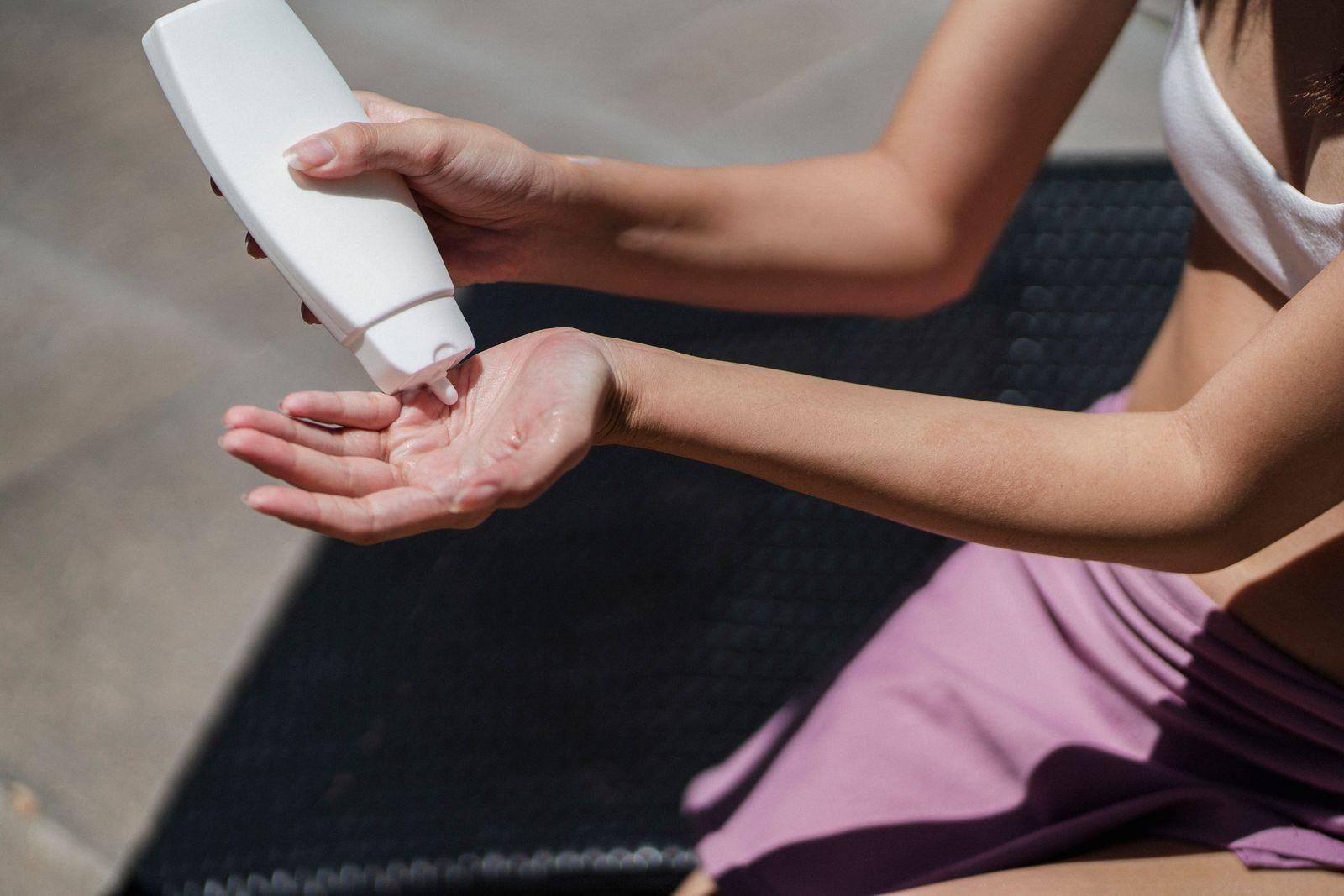
Ordinary sunscreen may not be enough for melasma. Standard formulations are tested against ultraviolet light, but melasma is also driven by visible light, which passes through window glass and is present on cloudy days. This is why dermatologists recommend tinted sunscreens containing iron oxides for melasma specifically, since the tint is what blocks visible light.
Source: American Academy of Dermatology: melasma diagnosis and treatmentThe first thing to accept about melasma
Melasma is a chronic, relapsing condition. It is controlled, not cured. Patients who understand this from the start do far better than patients who chase a permanent fix, because they maintain their protection and their maintenance routine instead of stopping the moment the skin looks clear.
It appears as symmetrical brown or grey-brown patches, typically across the cheeks, forehead, upper lip, and jawline. It is far more common in women, and far more common in skin types IV to VI, which describes most of the population in Rawalpindi and Islamabad.
The triggers are ultraviolet light, visible light, heat, hormonal changes including pregnancy and hormonal contraception, and genetic predisposition. Three of those are unavoidable in a Pakistani summer, which is why local melasma is stubborn and seasonal flares are the norm.
The steroid cream problem
This deserves its own section because it is the single most damaging pattern we see in clinic. Unlabelled or loosely labelled skin lightening creams containing potent topical steroids are widely available, and they work quickly at first. The skin looks brighter within weeks.
What follows is predictable: thinning skin, visible broken capillaries, steroid-induced acne and rosacea-like eruptions, increased facial hair, and rebound darkening that is worse than the original problem when the cream is stopped. Some products also contain mercury or unregulated concentrations of hydroquinone, and prolonged unsupervised hydroquinone use can cause exogenous ochronosis, a blue-grey discoloration that is extremely difficult to treat.
If you are using a cream from an unmarked jar, a beauty salon, or a general store, bring it to your appointment. Stopping abruptly can cause a rebound flare, so the withdrawal usually needs to be managed rather than done overnight.
Reversing steroid damage takes months. It is one of the most common reasons a straightforward melasma case becomes a complicated one.
Photoprotection is the treatment, not the accessory
No topical agent, peel, or laser holds a melasma result if the skin keeps receiving the trigger. Daily broad-spectrum sunscreen, reapplied every two to three hours during daylight exposure, is the foundation of every plan we write.
For melasma specifically, use a tinted mineral sunscreen containing iron oxides, because visible light is a genuine driver and untinted formulations do not block it. Combine it with physical measures: a wide-brimmed hat, sunglasses, sitting away from car and office windows, and avoiding peak midday exposure where possible.
Heat is an under-recognised trigger. Cooking over a hot stove, sitting close to a heater, and prolonged exposure in extreme summer temperatures can all flare melasma independently of light exposure. Patients often describe a summer worsening that has nothing to do with how carefully they applied sunscreen.
What actually works topically
Prescription topical therapy remains first-line. Hydroquinone, used in supervised cycles rather than continuously, has the longest track record. Combination formulations pairing it with a retinoid and a mild steroid are effective for defined courses but are not designed for indefinite use.
Non-hydroquinone options include azelaic acid, which is safe in pregnancy, kojic acid, cysteamine, niacinamide, and topical tranexamic acid. Retinoids improve turnover and support other agents. These are typically rotated and cycled over time rather than used identically forever, both to limit irritation and to avoid the plateau patients notice after several months on a fixed routine.
Irritation is counterproductive. Any product that leaves the skin persistently red and inflamed is likely to worsen pigmentation in darker skin types, because inflammation itself drives melanin production. Gentle and consistent beats strong and erratic.
Oral and procedural options, used carefully
Oral tranexamic acid has become one of the more useful additions for resistant melasma. Meta-analyses of randomised trials report meaningful improvement in melasma severity scores when it is added to standard topical therapy. It is a prescription medication with genuine contraindications, particularly any personal or family history of clotting disorders, and it requires medical assessment before starting. It is not something to buy on someone else recommendation.
Procedures sit on top of, not instead of, the foundation. Superficial chemical peels can accelerate improvement in selected patients. Low-fluence laser toning and microneedling protocols are used cautiously by clinicians experienced with darker skin types.
The critical warning: aggressive, high-energy resurfacing frequently makes melasma worse. Melasma is a condition that reacts badly to heat and inflammation, and a treatment that produces impressive results for acne scars can cause a significant flare in a melasma patient. If you have both concerns, the melasma is stabilised first and any resurfacing is planned around it.
A realistic timeline
Expect the first visible change at about eight to twelve weeks of consistent treatment, not two. Melasma sits at variable depths in the skin, and the deeper dermal component responds far more slowly than the superficial component, which is why some patients improve quickly at first and then plateau.
Plan for a maintenance phase. Most patients move onto a lighter routine of sun protection plus a maintenance topical, with periodic review, rather than stopping altogether. Stopping completely is the most common reason melasma returns within a season.
Pregnancy-related melasma often improves on its own in the months after delivery. Treatment during pregnancy and breastfeeding is limited to safe options such as azelaic acid and strict photoprotection, and hydroquinone and oral tranexamic acid are avoided.
What to ask at your consultation
Ask which layer your pigmentation appears to sit in, since epidermal, dermal, and mixed patterns carry different prognoses. Ask what your maintenance plan will be after the active phase, because a plan with no maintenance phase is not a plan. Ask which products you are currently using should be stopped, and how to stop them safely.
Ask, too, what will not be done. A clinician who explains why an aggressive laser is inappropriate for your melasma is giving you better care than one who offers it because you asked.
Melasma management at Ayra Aesthetics & Dental Lounge is dermatologist-led, starts with identifying triggers and reviewing any creams already in use, and is written as a phased plan with an explicit maintenance stage rather than a fixed package of sessions.
Book a consultation
Need a personalized treatment plan? Talk to our team and get guidance based on your skin or dental goals.
Frequently asked questions
Can melasma be cured permanently?
No. Melasma is a chronic relapsing condition that is controlled rather than cured. Well-managed patients maintain clear or near-clear skin with ongoing photoprotection and a maintenance routine, and flares are common after sun exposure, heat, or hormonal changes.
Are skin whitening creams from the market safe for melasma?
Frequently not. Many contain potent steroids or unregulated ingredients, producing rapid early brightening followed by thinned skin, broken capillaries, steroid-induced acne, and rebound darkening worse than the original problem. Bring any such product to your appointment rather than stopping it abruptly.
Will laser treatment clear my melasma?
Aggressive laser treatment often makes melasma worse. Only carefully selected low-energy protocols are used, and always alongside photoprotection and topical therapy rather than as a standalone solution.
Is oral tranexamic acid safe?
It is a prescription medication that has shown meaningful benefit in randomised trials for resistant melasma, but it has real contraindications including clotting disorders and certain medications. It requires medical assessment and monitoring and should never be self-prescribed.
How long before I see improvement?
Expect the first visible change at around eight to twelve weeks of consistent treatment. Deeper dermal pigment responds more slowly than superficial pigment, so patients often improve noticeably at first and then progress more gradually.
Sources
Related Articles
9 min read
CO2 Fractional Laser in Rawalpindi & Islamabad: What It Treats, Real Downtime, and Who It Suits
Our CO2 fractional laser is now installed at Ayra Aesthetics. Here is what fractional CO2 resurfacing treats, the day-by-day recovery, and how it is used safely on South Asian skin tones.
9 min read
Exosome Therapy for Hair Loss: A Real 3-Month Result and an Honest Look at the Evidence
What exosome therapy for hair loss involves, a genuine 3-month before and after from our Rawalpindi clinic, where the evidence currently stands, and who actually responds.